Buying Shelter: A Problem-Driven Guide for Hiking, Camping, and Glamping
Why choosing a tent feels like a moral decision
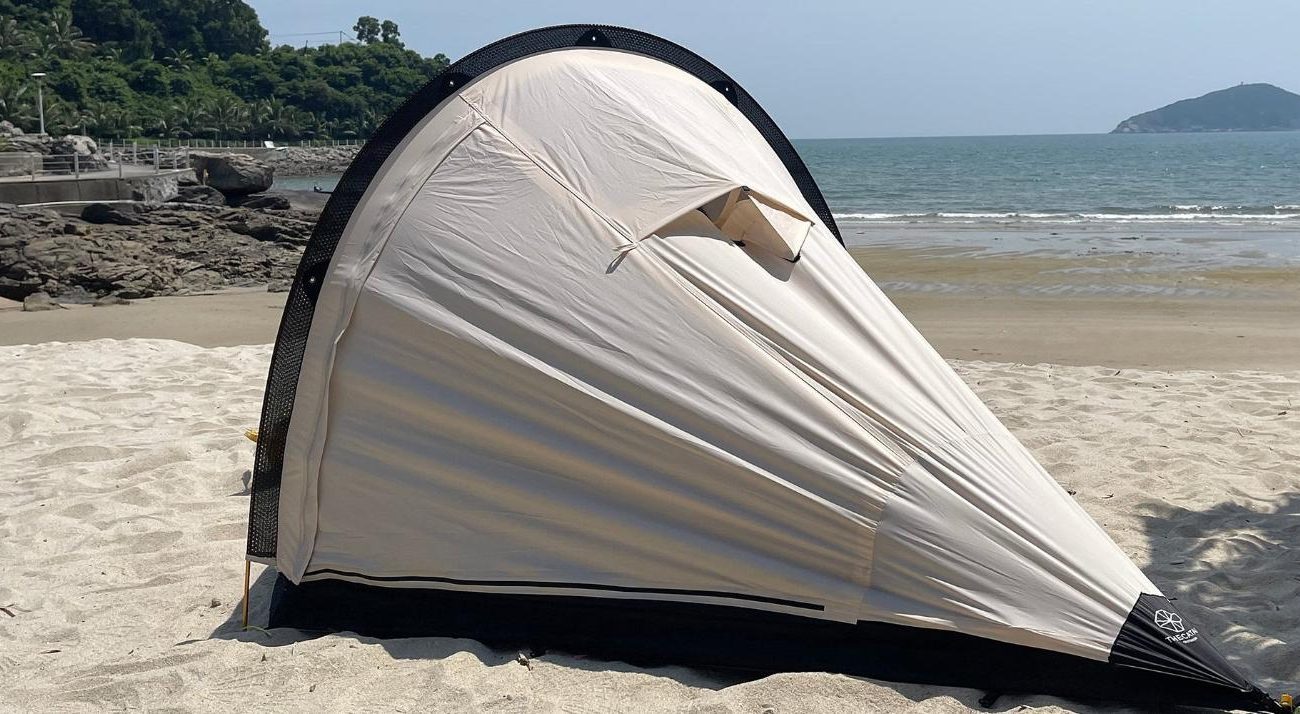
We treat tents as simple tools, but the real problem is choice — too many trade-offs disguised as features. You want low weight, fast setup, dry nights, and enough room for gear and thinking. Pick a true ultralight and you lose living space; pick roomy and you carry regret. If you’re weighing whether a hiking tent ultralight will actually reduce friction on a multi-day traverse, ask what problem you need solved first: weight, weather, or comfort.
Where the problem comes from
Manufacturers answer different questions with different designs, and shoppers confuse features with fit. That mismatch is the root cause. On a section of the Appalachian Trail I learned that a single, properly pitched compact camping shelter can make the difference between a restful stop and a night of shivering and gear chaos; that practical lesson is why use-case matters more than specs on paper. Years of hands-on testing, reading seam diagrams, and pitching tents in wind taught me to value context over claims.
Common problems people bring to a pitch
They overbuy for comfort they don’t use, underestimate condensation, ignore vestibule volume, and forget how much poles and stakes matter. They assume a “3-season” label means everything. They skip practicing the pitch. These are repeatable mistakes that create predictable midnight fixes: re-staking, reorienting, or retreating to the car. Stop treating specifications as absolutes and treat them as trade-off signals instead.
Alternatives and what problems they actually solve
Compare tents to tarps and bivys by the problem they solve. Tarps reduce weight and improve ventilation but ask for skills and site choice. Bivys are minimal and stealthy but eliminate communal space. Car-camping tents buy comfort at the cost of packability. Choose the form that answers the most painful constraint of your trip: pack weight, exposure, group size, or speed of setup.
Clear criteria you can apply today
Decide your primary constraint, then check these: true packed weight (not marketing weight), vestibule volume for stoves and boots, pole reliability, seam treatment, pitch time, and repair options. Test-setup before you commit. If condensation is recurring, increase ventilation or add a footprint. If storms are your fear, prefer proven pole geometries and smaller floor area. Practical choices beat rhetorical features every time.
Pitfalls to avoid when comparing models
Don’t be seduced by fabric denier alone. Don’t equate stakes included with durability. Watch for over-optimistic packing-size photos. Brand warranties matter, but so does vendor support and spare-parts availability. Peer reviews reveal patterns; single-star or five-star extremes usually point to matchup problems rather than product absolutes.
How to test a candidate before buying
Pitch it at home in the yard or at a nearby park, simulate rain with a hose, feel the seams, and sleep inside once with your pack. Time the setup. Check how vestibules function with real gear. If you can, try a weekend where comfort and weight trade-offs will show themselves. That rehearsal exposes hidden frictions you can’t see in spec tables.
A reflective conclusion that points the way forward
Choosing shelter is a problem-solving process: identify the constraint, map designs to that constraint, test, and iterate. That ethic — practical, modest, and proof-driven — leads away from paralysis and toward a tent that fits the life you plan to live outdoors. Thoughtful selection, backed by real-world testing, produces reliable nights and easier days, which is the purpose behind what THECATAL curates and clarifies for people who care about the work a shelter must actually do.