Comparing the Makers: How to Choose a Red Light Therapy Manufacturer That Actually Delivers

Introduction — a small clinic, some numbers, and one big question
I used to visit a small physiotherapy clinic where a bright red panel sat in the corner like a quiet promise. The therapist told me it cut recovery time by about 20% for muscle strains—interesting, right? In many clinics and spas today, the role of a reliable red light therapy manufacturer matters more than the device design alone. (oye, that matters.)
Here’s a quick snapshot: demand for therapeutic LED arrays has jumped year over year, and buyers now expect consistent wavelength calibration, clear specs for power converters, and solid thermal management. So I ask: how do you pick a partner who makes devices that work day after day, not just look good on a product sheet?
I’ll walk you through what I’ve seen work and what trips people up — simple, honest, and with a few technical notes thrown in so you don’t buy a pretty panel that underperforms. Let’s move on and look under the hood.
Why standard fixes fall short for clinics and brands
Why does this keep failing?
When teams try to solve reliability problems, they often bolt on quick fixes. I’ve watched companies choose low-cost PCBs, skimp on firmware testing, and then act surprised when beam uniformity is poor. Many of these failures trace back to one choice: picking a supplier because the demo looked nice, not because the specs and testing match real clinical needs. The truth is—Look, it’s simpler than you think—robust engineering beats a glossy catalog photo every time.
red light therapy manufacturer decisions need to include concrete checks: power converters rated for continuous duty, thermal management plans, and clear firmware support. We see problems when suppliers promise high irradiance but ignore heat-sink sizing or offer no wavelength calibration data. That leads to inconsistent treatment doses and unhappy users. My point: cosmetic features won’t cover up poor engineering. — funny how that works, right?
New principles for future-ready device partnerships
What’s Next?
Looking forward, I focus on three guiding principles when I evaluate a red light therapy manufacturer: measurable performance, modular design, and end-to-end testing. Measurable performance means published irradiance curves and verified wavelength stability. Modular design lets clinics replace LED arrays or power converters without a full device swap. End-to-end testing ties PCB layout, firmware, and optical diffusers into one verified result. These principles reduce surprises and keep maintenance simple for staff who aren’t engineers.
Technically speaking, I also pay attention to beam uniformity tests, thermal profiles under load, and firmware update strategies. These details matter for long-term uptime and patient safety. In my experience, partners who share lab reports and invite third-party testing are the ones who last in the market. (No smoke and mirrors.)
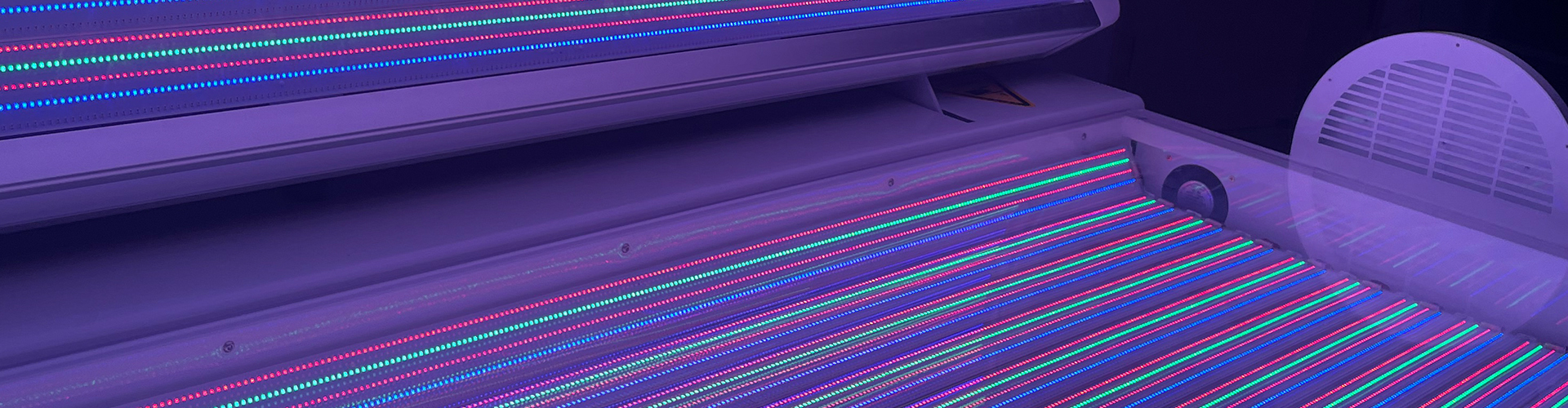 To wrap up, here are three evaluation metrics I use and recommend: 1) Verify real-world irradiance and wavelength data under load; 2) Inspect thermal management and serviceability (can you swap modules easily?); 3) Confirm firmware support and documentation for safety and calibration. Use these as your checklist when vetting suppliers—simple, practical, and repeatable. If you want a dependable reference point at the end of your search, consider how providers present data and samples; it says a lot about their engineering culture. Magique Power